What Happens To Your Recycling After You Drop It Off In Darwin
Most people who drop off their containers at a recycling depot feel good about doing it, but few know what actually happens next. The journey from a crushed can or empty bottle to a raw material ready for reuse is more involved than most people realise, and understanding it makes the act of recycling feel a lot more meaningful. Territory Can Man's recycling Darwin services handle thousands of containers every week, and this is the full story of where they go after you hand them over.
The Container Deposit Scheme and Why It Exists
The Northern Territory's container deposit scheme sits at the foundation of this process. Under the scheme, eligible drink containers carry a 10-cent deposit that is refunded when the container is returned to an approved depot. The scheme creates a direct financial incentive for people to return containers rather than send them to landfill, and it works. Return rates in the NT consistently sit well above what kerbside recycling programs achieve on their own.
Eligible containers include most aluminium cans, glass bottles, plastic bottles and liquid paperboard cartons between 150ml and three litres. Not everything qualifies, so it's worth checking eligibility if you're unsure. What matters is that every eligible container returned through the scheme is diverted from landfill and put back into productive use.
Step One: Sorting at the Depot
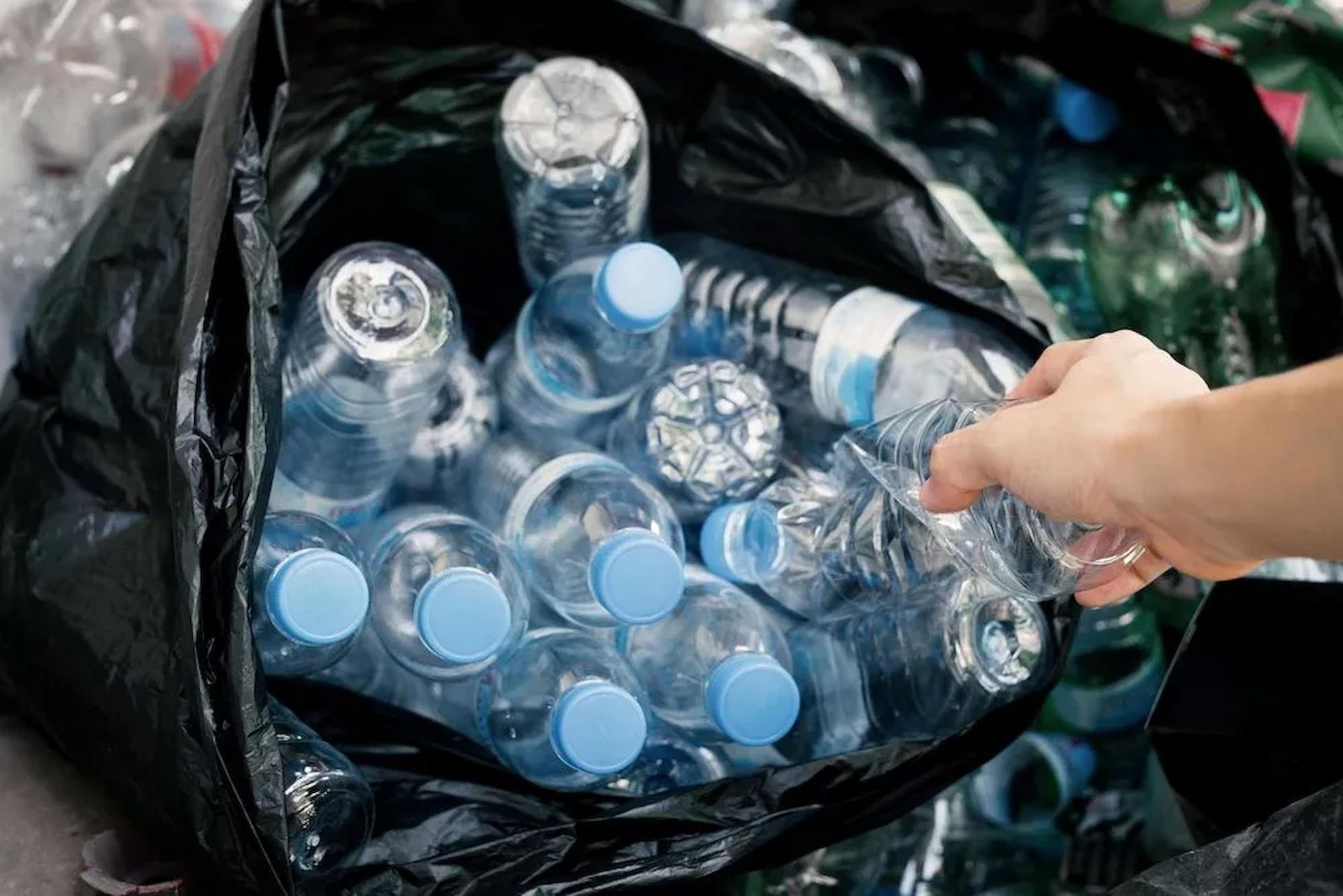
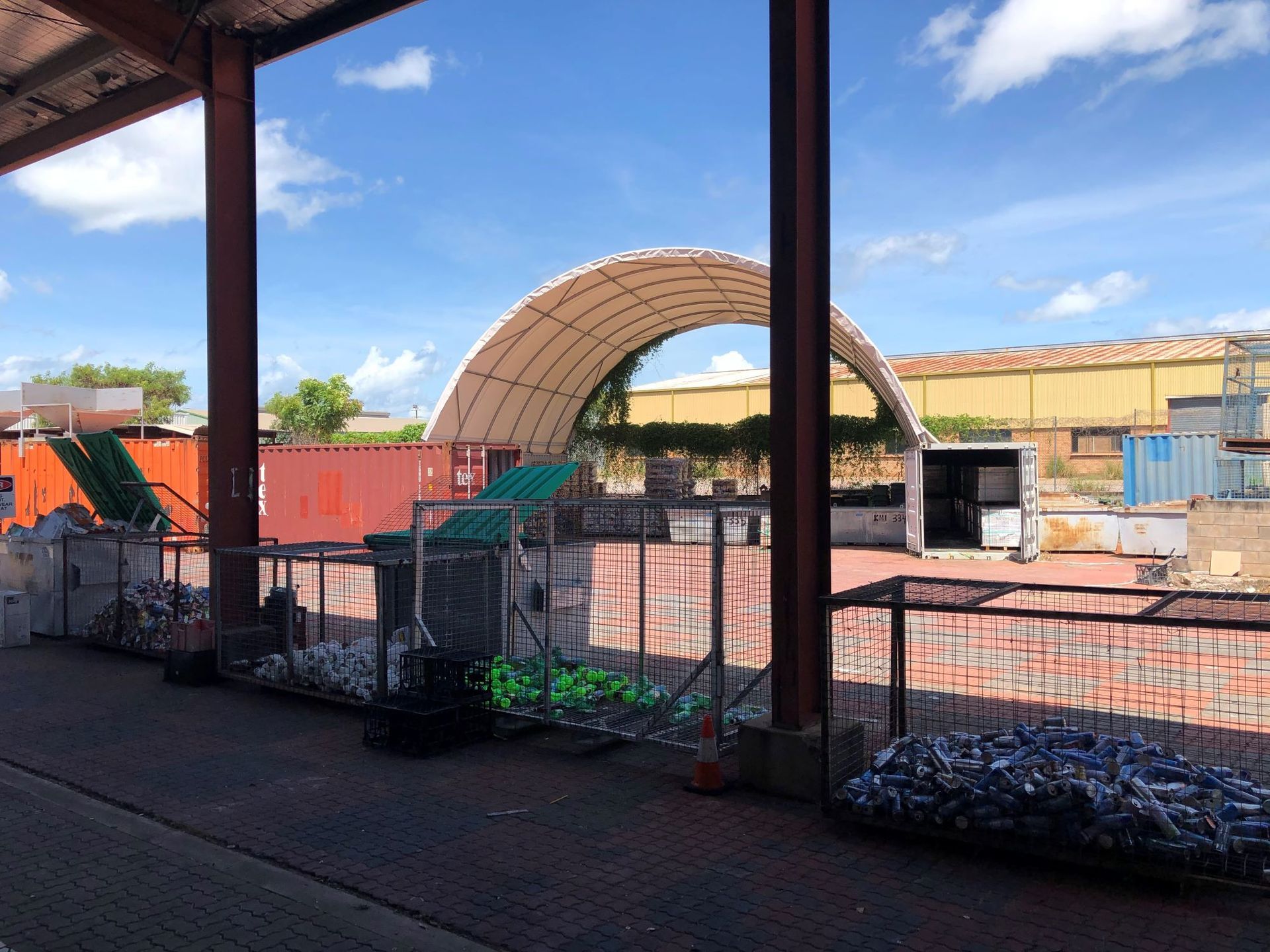
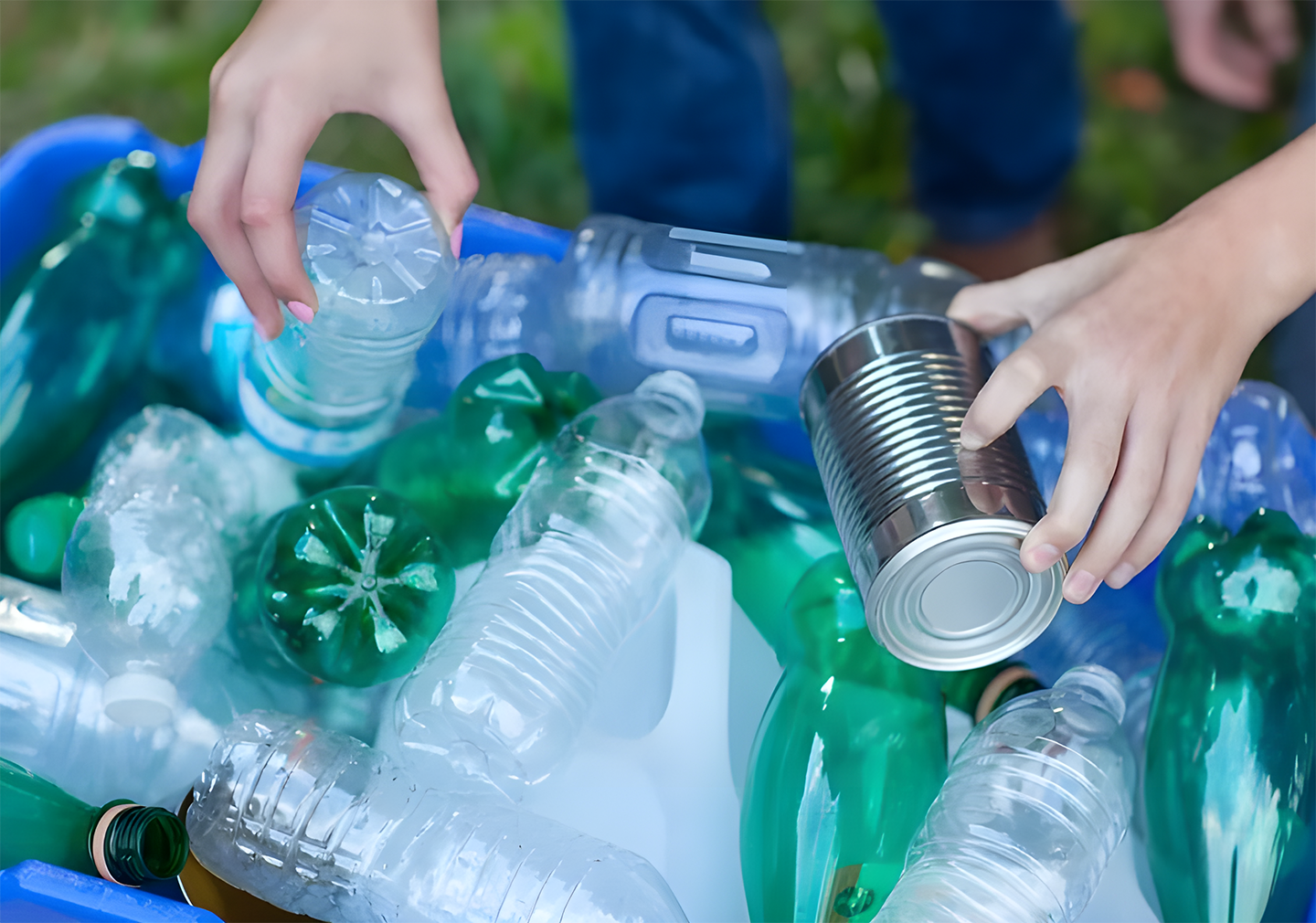
When containers arrive at a Darwin recycling depot, the first stage is sorting by material type. Aluminium cans, glass bottles, plastic containers and cartons are separated, either manually or with the assistance of automated counting and sorting equipment, depending on the depot's setup.
This step matters more than it might seem. Contamination from mixing material types or including ineligible containers affects the quality of the recycled material downstream and can reduce its value. A well-run depot sorts carefully and rejects materials that don't meet scheme requirements, which protects the integrity of the recycling stream and ensures processors receive clean, usable feedstock.
Step Two: Counting and Verification
Every container returned through the NT container deposit scheme needs to be counted and verified before a refund is issued. Depots use a combination of manual counting and barcode scanning to confirm container eligibility and calculate the refund owed.
For individuals dropping off a bag of cans, this process is quick. For businesses, schools or community groups returning high volumes, the depot may use bulk counting systems that process large quantities efficiently. Either way, the count is the basis for the cash for bottles payment, so accuracy at this stage directly affects what you're paid.
Step Three: Baling and Compaction
Once sorted and counted, containers are compacted to reduce their volume for transport. Aluminium cans are typically crushed and baled into large blocks. Plastic bottles are similarly compacted. Glass is often sorted by colour before being crushed into cullet, which is the raw crushed glass that manufacturers use as an input material.
Compaction dramatically reduces the logistics cost of moving material from Darwin to processing facilities, most of which are located interstate or in larger regional centres. Without this step, the economics of transporting recycled material across the distances involved in the NT would make the whole system far less viable.
Step Four: Transport to Processing Facilities
Darwin's geographic isolation is one of the realities of recycling in the Northern Territory. Once baled or compacted, materials are transported by road or sea to processing facilities in other states, typically Queensland or New South Wales, where the volume of industry infrastructure makes large-scale recycling economically feasible.
This is the part of the journey that most people don't think about, and it's worth being honest about. Recycling in Darwin does involve longer transport legs than in major southern cities. However, the value of keeping material out of landfill, the energy savings from using recycled feedstock rather than virgin materials, and the financial return to Darwin residents through the container deposit scheme all remain genuine and meaningful.
Step Five: Material Processing and Reuse
Once materials reach a processing facility, they're turned back into usable raw materials. Aluminium is one of the most valuable and efficiently recycled materials in the stream. Recycling aluminium uses around five per cent of the energy required to produce it from raw bauxite ore, and the material can be recycled indefinitely without degrading. Baled cans are melted down and recast into new aluminium sheet, which is used to manufacture new cans, automotive parts and construction materials.
Plastic undergoes a more complex process depending on the resin type. PET plastic, the most common type used in drink bottles, is shredded, washed and pelletised into recycled resin, which is used to manufacture new bottles, packaging and textile fibres. Crushed glass cullet is fed into glass furnaces as a partial replacement for raw silica sand, reducing furnace temperatures and energy consumption for manufacturers. Liquid paperboard cartons are pulped to recover the cellulose fibre, which is used in paper and packaging products.
What This Means for Darwin Residents
Every container returned through bottle recycling in Darwin contributes to a material loop that reduces the demand for virgin resources, cuts landfill volumes and returns value directly to the community through the container deposit. The ten cents per container adds up quickly, and families, sporting clubs, schools and businesses across Darwin regularly accumulate meaningful returns from containers that would otherwise have gone to waste.
The process only works as well as the participation rate allows. The more containers that are returned through legitimate depots rather than going to kerbside bins or landfill, the more material enters the processing stream and the greater the environmental and economic return.
Drop Off With Confidence
We at Territory Can Man operate as a transparent and reliable part of Darwin's recycling infrastructure. Whether you're dropping off a bag of weekend cans or managing a high-volume return from a business or event, our team processes your containers accurately and pays promptly.
To find out more about our recycling Darwin services or to locate your nearest drop-off point, visit our website today and start turning your empties into something worth keeping.